


A Trump voter called into my radio show, Politics Done Right after I said we should let Trump govern to prove he will fail. He could not give me even one Trump policy that has or will help him.
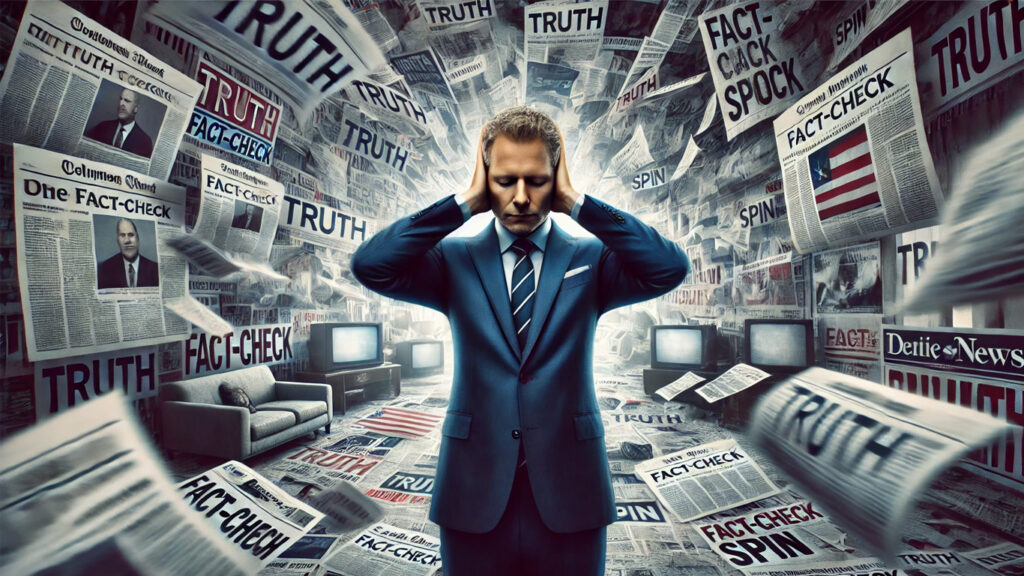
Trump voter left with his head spinning.


Podcasts (Video — Audio)
Summary:
The conversation on Politics Done Right between the host and Jeff, a Trump supporter, exposed the shaky foundation of Jeff’s reasons for supporting Donald Trump. Through a series of probing questions, the host dismantled Jeff’s claims about Trump’s strength, economic policies, and leadership, revealing how misinformation and prejudice influenced his vote. The discussion highlighted the broader issue of uninformed voting and the dangers of prioritizing identity politics over substantive governance.
Key Takeaways:
- False Perceptions of Strength: Jeff perceived Trump as stronger than Kamala Harris, but this was rooted in media narratives rather than evidence.
- Economic Illusions: Jeff claimed Trump’s policies helped him financially, but data showed Biden’s presidency brought more significant market gains and financial benefits for working-class Americans.
- Misinformation at Play: Jeff’s belief in a “landslide” Trump victory reflected widespread misinformation.
- Prejudice and Bias: Underlying biases against Harris, a Black and Asian woman, influenced Jeff’s decision-making.
- Call for Accountability: The host urged Jeff to reflect on his vote, promising to help him uncover the reality of Trump’s detrimental impact on the country.
Progressive Perspective:
This exchange illustrates the urgent need for an informed electorate prioritizing policy over propaganda. Trump’s rise was built on lies, division, and exploitation of identity politics, while leaders like Harris represent competence and progress. The conversation serves as a reminder that democracy thrives when voters challenge misinformation and embrace leaders who uplift all Americans, not just a privileged few.
[ppp_patron_only level=2]
In a political discourse where loyalty often trumps logic, Jeff, a Trump supporter, grappled with an inconvenient truth during a discussion on Politics Done Right. The conversation exposed the fragility of his reasons for supporting Donald Trump and a broader narrative: voters’ reliance on misinformation, biases, and unexamined beliefs rather than substantive policy outcomes. The dialogue, rich with probing questions and critical rebuttals, illuminated the gap between perception and reality for many Trump voters.
The Perceived Strength of Leadership
Jeff initially framed his support for Trump by believing in his strength and leadership capabilities. He contrasted Trump with Kamala Harris, asserting she lacked the strength to handle foreign affairs. This claim, however, unraveled when scrutinized. As a former prosecutor, Harris has a proven track record of tackling organized crime and enforcing the law. Conversely, Trump’s leadership has been marred by scandals, a lack of military or legal experience, and a failure to uphold basic democratic norms.
The host highlighted this disparity, asking what attributes made Trump appear stronger. Jeff’s inability to articulate a clear answer pointed to the influence of deeply ingrained narratives over objective evaluation. Trump’s bravado and media persona were likely conflated with effective governance, overshadowing Harris’s demonstrated competence.
Economic Policies and the Reality of Gains
Jeff justified his vote by citing economic policies, particularly the stock market. Yet, his argument faltered under scrutiny. While Trump’s presidency saw stock market growth, the market also experienced significant crashes, particularly during the COVID-19 pandemic. Under President Biden, the market rebounded robustly, and economic indicators like job creation and GDP growth consistently outperformed Trump’s record.
Moreover, the Trump administration’s tax cuts overwhelmingly benefited the wealthy, doing little to address the financial struggles of middle- and working-class Americans. By contrast, Biden’s policies, including the expanded Child Tax Credit and investments in green infrastructure, provided tangible relief to ordinary citizens. As the host noted, Jeff’s perceived economic benefits under Trump were an illusion rooted in partisan rhetoric rather than empirical data.
Misinformation and Prejudice
Jeff’s reference to Harris as “weak” and his assertion that Trump won in a landslide underscored the pervasive influence of misinformation. The host systematically dismantled these misconceptions, providing concrete evidence: Trump lost the popular vote in his two previous elections and performed poorly compared to historical landslides like Reagan’s victories. The narrative of Harris’s supposed weakness also reflected underlying prejudices, as voters often resist acknowledging competence in leaders who challenge traditional power structures, particularly women of color.
The conversation revealed how voters like Jeff are often swayed by propaganda and identity politics rather than policy achievements. The host poignantly observed that Trump supporters frequently justify their votes by clinging to falsehoods or projecting unfounded fears onto opponents like Harris. This cognitive dissonance allows them to reconcile their support for a demonstrably flawed leader.
The Broader Implications
Jeff’s struggle to articulate a single policy benefit from Trump’s presidency raises critical questions about the motivations driving voter behavior. Are Trump supporters genuinely endorsing his policies, or are they aligning with a cultural and ideological brand that validates their biases and fears? The host suggested the latter, emphasizing that Trump’s appeal lies not in governance but in his ability to exploit division and misinformation.
This exchange underscores the need for widespread media literacy and political education. Voters must critically evaluate claims, seek credible sources, and confront uncomfortable truths about their biases. The stakes are too high to base decisions on gut feelings and partisan echo chambers.
Conclusion
Jeff’s dialogue with the Politics Done Right host is a microcosm of the challenges facing American democracy. It highlights the power of misinformation, the role of prejudice in shaping political choices, and the importance of fostering an informed citizenry. Conversations like these are vital as the nation grapples with the consequences of Trump’s presidency. They compel voters to confront the facts, challenge their assumptions, and ultimately, prioritize the collective good over personal biases.
The host’s closing remarks resonate as a call to action: voters must engage in honest introspection and demand accountability from leaders and themselves. Only then can the nation move beyond the toxic legacy of Trumpism and towards a more equitable and informed democracy.
[/ppp_patron_only]